Trolltunga's Transformation: From Remote Gem to Global Hiking Icon
Deep within the dramatic landscapes of Western Norway, a breathtaking natural wonder named Trolltunga, meaning "Troll's Tongue," has captivated adventurers and dreamers alike. Once a hidden gem known primarily to local enthusiasts, this iconic rock formation has undergone a remarkable transformation, evolving into a global hiking mecca. Its journey from a remote, challenging trek to one of the world's most sought-after photo opportunities reflects a blend of ancient geology, captivating folklore, and the undeniable power of social media.
The Geological Marvel and Mythical Origins of Trolltunga
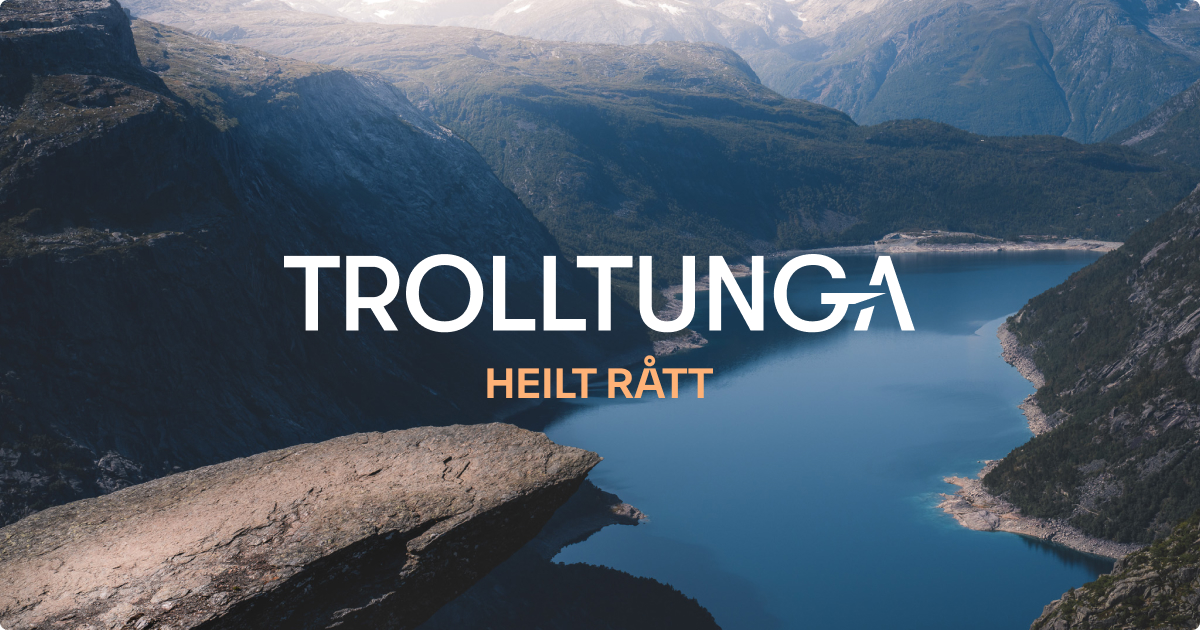
Imagine a massive, horizontal stone tongue jutting out precariously from a sheer cliff face, suspended roughly 700 meters above the azure waters of Lake Ringedalsvatnet. This is Trolltunga, a geological masterpiece located at an elevation of 1,180 meters in Ullensvang Municipality, Vestland county, close to the charming towns of Odda and Tyssedal, on the fringes of the vast Hardangervidda National Park. The panoramic views from this vantage point are nothing short of spectacular, encompassing sprawling fjords, rugged mountains, and ancient glacial landscapes that stretch as far as the eye can see.
The formation of Trolltunga is a testament to the Earth's colossal forces. Approximately 10,000 years ago, during the last Ice Age, immense glaciers relentlessly carved through the region. This subglacial erosion sculpted the dramatic cliffs and deep valleys that define the Hardangerfjord area today, leaving behind resilient formations like Trolltunga. Composed of Precambrian gneiss and granite bedrock, the rock features a striking overhang, typically around 10 meters long, narrowing from about 5 meters wide at its base to mere centimeters at its tip. Visible cracks across its surface are a silent narrative of its icy birth, showcasing the powerful forces that shaped it. To delve deeper into its origins, explore Trolltunga Explained: Geology, Folklore & Norway's Dramatic Cliff.
Beyond its scientific explanation, Trolltunga is steeped in local Norwegian folklore. Legend has it that a mischievous troll, renowned for its habit of sticking out its tongue at sunrise, was caught off guard by the first rays of dawn. As the sun kissed its extended tongue, the troll was instantly turned to stone, forever preserving the unique formation as a permanent fixture of the landscape. This enchanting tale adds a layer of mystical charm to an already awe-inspiring natural wonder, making the visit to Trolltunga not just a physical journey, but also a step into a world of myth.
Conquering the Troll's Tongue: An Epic Hiking Challenge
The allure of Trolltunga lies not just in its dramatic beauty but also in the challenge of reaching it. The hike to Trolltunga is legendary for its strenuous nature, demanding significant physical endurance and mental fortitude. Starting from the Skjeggedal trailhead, adventurers embark on a formidable 28-kilometer round trip through rugged high-mountain terrain. This epic journey typically takes seasoned hikers 10 to 12 hours to complete, involving steep ascents, exhilarating river crossings, and exposed sections that remind you of the raw power of nature.
Due to its demanding nature, the Trolltunga hike is recommended only for experienced hikers in good physical condition. The main hiking season for unguided trips runs from early June to late September, when the weather is generally more stable and the trails are free of snow and ice. For those wishing to experience the breathtaking winter wonderland of a snow-clad Trolltunga, guided tours are available from October into May. However, it's crucial to note that later months carry higher avalanche risks, making a certified guide absolutely essential for safety. Many companies offer guided snowshoe or skiing trips during the winter, providing a unique perspective of this iconic landscape. To ensure a safe and successful trip, be sure to consult our comprehensive guide: Trolltunga Hike: Essential Tips for Conquering Norway's Icon.
Regardless of the season, preparedness is key. Hikers are strongly advised to start their trek before 8 AM during peak season to ensure ample time to complete the round trip before darkness descends. The weather in the mountains can change rapidly, so proper gear, including waterproof clothing, sturdy hiking boots, and sufficient food and water, is non-negotiable.
From Remote Gem to Global Phenomenon: The Rise of Trolltunga
It's hard to imagine that just over a decade ago, in 2010, Trolltunga was a relatively obscure destination, attracting fewer than 1,000 visitors annually. Its transformation into a global hiking icon is a modern success story, largely fueled by the exponential growth of social media and the burgeoning trend of adventure tourism. Photos and videos of adventurers posing dramatically on the "Troll's Tongue" began to circulate worldwide, turning this remote Norwegian site into a bucket-list destination for thrill-seekers and nature lovers.
This digital exposure triggered an unprecedented surge in popularity. By the late 2010s, Trolltunga was drawing approximately 80,000 hikers annually, a staggering eighty-fold increase. The first part of the 2025 season alone saw over 49,000 visitors, underscoring its enduring and growing appeal. While this influx of tourism has undoubtedly put Norway's natural beauty on the world stage, it has also presented significant challenges for local authorities.
Managing the sheer volume of visitors has necessitated a proactive approach to sustainable tourism. Local authorities in Ullensvang have implemented a range of safety measures and environmental protections to manage overcrowding and mitigate erosion on the trail. These include:
- Mandatory Guided Tours: Encouraging or requiring guided trips during off-peak and winter seasons to enhance safety.
- Shuttle Services: Reducing private vehicle traffic and improving access to trailheads.
- Enhanced Trail Maintenance: Protecting the fragile high-mountain ecosystem from excessive wear and tear.
- Information Campaigns: Educating hikers on proper etiquette, safety protocols, and Leave No Trace principles.
This commitment to responsible tourism reflects Norway's dedication to preserving its natural wonders for future generations. The fame of Trolltunga has also provided a substantial boost to the regional economy in Hardanger, creating jobs and supporting local businesses, all while maintaining a focus on ecological balance and visitor safety.
Planning Your Unforgettable Trolltunga Adventure: Practical Tips
For those inspired to undertake the challenging yet immensely rewarding hike to Trolltunga, thoughtful planning is paramount. Here are essential tips to ensure a safe and memorable experience:
- Best Time to Visit: The safest period for unguided hikes is from early June to late September. Outside these months, especially from October to May, a certified guide is absolutely necessary due to snow, ice, and avalanche risks.
- Physical Preparation: This is a demanding hike. Start a fitness regimen well in advance that includes cardiovascular endurance and strength training. Don't underestimate the difficulty; it's a marathon, not a sprint.
- Gear Up: Invest in high-quality, waterproof hiking boots with good ankle support. Pack layers of moisture-wicking clothing, a waterproof and windproof outer shell, a hat, gloves, and a headlamp.
- Food & Hydration: Carry plenty of water (at least 2-3 liters per person) and high-energy snacks. There are no facilities on the trail.
- Safety First:
- Check the weather forecast meticulously before you go and be prepared for sudden changes.
- Stay on marked trails to protect yourself and the environment.
- Inform your accommodation or a trusted contact of your hiking plans and expected return time.
- If weather conditions deteriorate or you feel unwell, do not hesitate to turn back. There is no shame in prioritizing safety.
- Leave No Trace: Pack out everything you pack in. Respect the pristine natural environment by staying on trails, not disturbing wildlife, and leaving no rubbish behind.
- Accommodation & Transport: Book accommodations in Odda or Tyssedal well in advance, especially during peak season. Utilize the shuttle services to the trailhead.
Conclusion
Trolltunga stands as a powerful symbol of Norway's wild beauty and the magnetic draw of its untamed landscapes. Its journey from a geological marvel shrouded in local legend to a global hiking icon is a testament to both its inherent grandeur and the modern phenomenon of shared adventure. While its newfound popularity brings challenges, Norway's commitment to sustainable tourism ensures that the "Troll's Tongue" will continue to be a source of awe and inspiration for generations to come. For those seeking an unforgettable adventure that tests their limits and rewards them with unparalleled vistas, the call of Trolltunga remains irresistible, beckoning them to experience its magic firsthand.
