Trolltunga Explained: Geology, Folklore & Norway's Dramatic Cliff
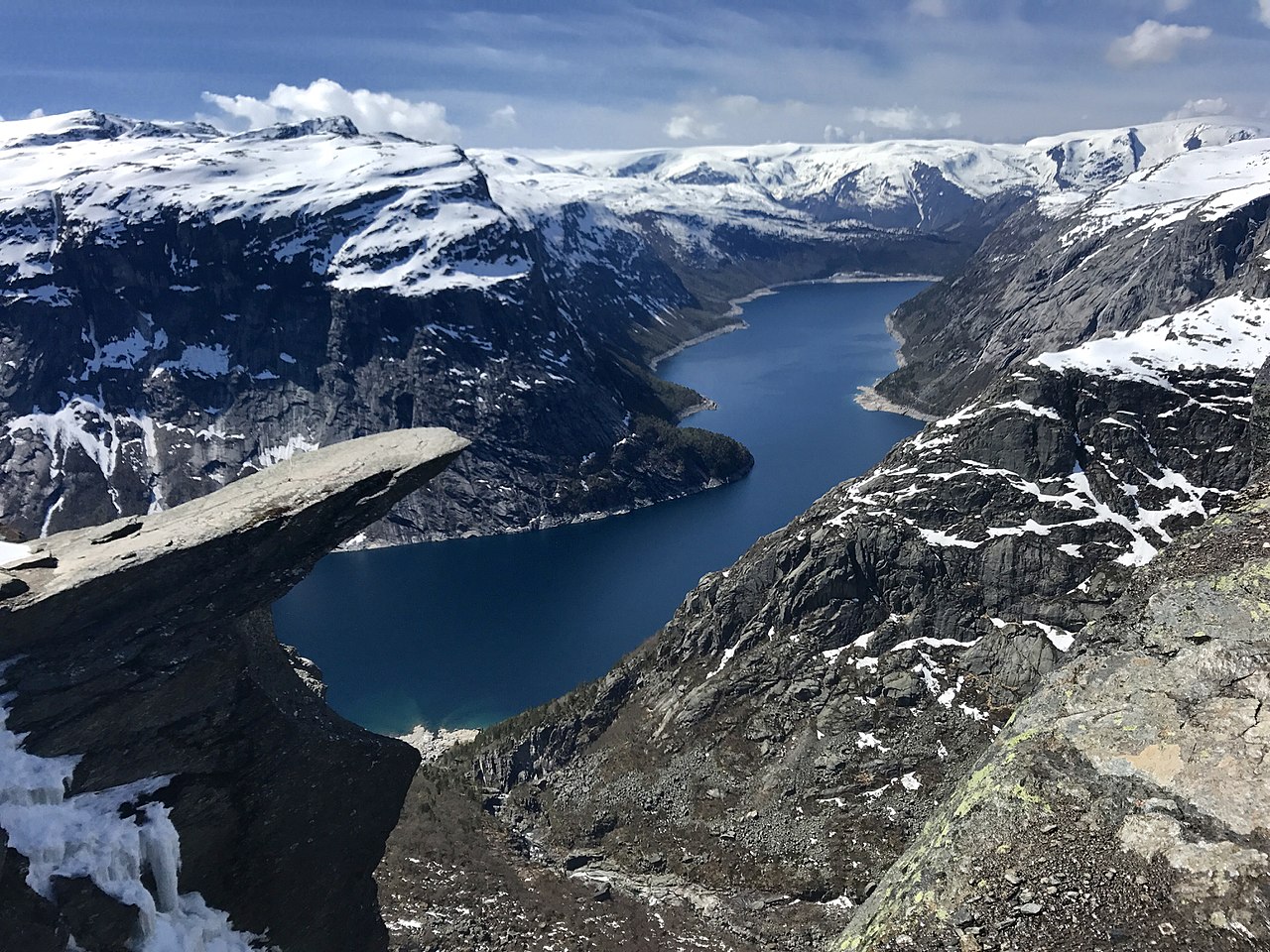
Perched high above the serene waters of Lake Ringedalsvatnet, Trolltunga, or "Troll's Tongue," is one of Norway's most iconic and breathtaking natural wonders. This dramatic rock formation, jutting horizontally from the mountain with audacious confidence, captivates adventurers and nature enthusiasts worldwide. More than just a striking photo opportunity, Trolltunga embodies a compelling narrative woven from the raw power of geological forces, the rich tapestry of Norse folklore, and the spirit of modern-day exploration. In this article, we delve deep into the essence of Trolltunga, uncovering its ancient origins, the legends that bestow its name, and the journey required to experience its awe-inspiring majesty.
The Geological Marvel of Trolltunga
The sheer scale and dramatic form of Trolltunga are testaments to nature's incredible sculpting power. Located in Ullensvang Municipality, Vestland county, near the towns of Odda and Tyssedal, this prominent ledge stands at an elevation of 1,180 meters above sea level. Its most striking feature is its horizontal protrusion, extending approximately 10 meters outwards and suspended roughly 700 meters above the glacial lake below, creating an almost surreal platform against the sky.
The formation itself is a magnificent example of subglacial erosion. Approximately 10,000 years ago, during the last Ice Age, Scandinavia was blanketed by immense ice sheets. As these colossal glaciers advanced and retreated, they carved out the deep valleys and fjords that define Norway's landscape today, including the stunning Hardangerfjord region. Trolltunga was meticulously sculpted from the robust Precambrian gneiss and granite bedrock, a process where the immense weight and movement of the ice slowly plucked away rock, leaving behind this precarious yet perfectly balanced overhang. Visible cracks on the formation itself are enduring reminders of this powerful glacial action, highlighting the immense forces that created this natural masterpiece.
The surrounding landscape, part of the Hardangervidda National Park, showcases a pristine wilderness of mountains, plateaus, and glacial features, all contributing to the grandeur that makes Trolltunga such an unforgettable sight. This geological history provides a profound sense of perspective, reminding us of the eons required to forge such a dramatic and enduring landmark.
Unraveling the Legend: Trolltunga's Folklore
Beyond its geological grandeur, Trolltunga is steeped in the mystique of Norwegian folklore, a cultural layer that adds immeasurable charm to its raw beauty. The very name, "Troll's Tongue," is not merely descriptive but is directly inspired by a captivating local legend.
According to this enchanting tale, the region was once inhabited by mischievous trolls, mythical creatures deeply ingrained in Scandinavian mythology. One particular troll, renowned for its audacious and often foolish behavior, decided to test its luck against the rising sun. It's said that this troll stuck out its long tongue at the first rays of dawn, a challenge that proved to be its undoing. As sunlight is believed to turn trolls to stone, this particular troll met its fate mid-taunt, forever frozen in its audacious pose. Thus, the massive stone tongue, perpetually jutting out from the cliff face, is believed to be the petrified tongue of this defiant troll, a permanent fixture in the dramatic Norwegian landscape.
This folklore not only provides a whimsical origin story for Trolltunga but also connects visitors to the ancient traditions and imagination of the Norwegian people. It invites us to view the landscape not just as geological formations but as living remnants of mythical tales, where every peak and valley holds a story waiting to be discovered. It’s a perfect example of how human culture imbues natural wonders with deeper meaning and a sense of timeless magic.
Conquering the Tongue: The Iconic Trolltunga Hike
Experiencing Trolltunga firsthand is an adventure of a lifetime, but it's one that demands respect, preparation, and a considerable amount of physical endurance. The journey to this iconic cliff is as much a part of the experience as the destination itself.
The hike to Trolltunga typically begins from the Skjeggedal trailhead. This is not a leisurely stroll; it's a strenuous 28-kilometer (17.4-mile) round trip through rugged high-mountain terrain, involving significant elevation gain. Hikers can expect to spend anywhere from 10 to 12 hours on the trail, navigating steep ascents, rocky paths, and occasional river crossings. It's crucial for participants to be in good physical condition and have prior hiking experience in challenging environments. For detailed preparation advice, explore our guide on Trolltunga Hike: Essential Tips for Conquering Norway's Icon.
Key Practical Tips for the Trolltunga Hike:
- Seasonality: The main hiking season for unguided trips runs from early June to late September. Outside of these months, conditions can be extremely challenging due to snow, ice, and rapidly changing weather.
- Guided Tours: While experienced hikers can go unguided during peak season, guided tours are highly recommended, especially in shoulder seasons (May, October) and mandatory in winter (October to May). Guided snowshoe or skiing trips offer a unique perspective of a snow-clad Trolltunga.
- Start Early: Always aim to start your hike before 8 AM to ensure you have ample daylight for the return journey, especially important in late summer/early autumn.
- Gear: Proper hiking boots, waterproof and windproof clothing, sufficient food and water, a map and compass (or GPS), and a headlamp are essential. The weather in the mountains can change rapidly.
- Safety: Heed local warnings, stay on marked trails, and never underestimate the mountain environment. The popularity of Trolltunga has led authorities to implement enhanced safety measures, including shuttle services to reduce initial ascent and emergency shelters along the route.
The surge in popularity, driven significantly by social media, has transformed Trolltunga from a remote gem visited by fewer than 1,000 people annually in 2010 to a global hiking hotspot attracting over 80,000 visitors in recent years. This influx has spurred significant investment in infrastructure and sustainable tourism initiatives to manage overcrowding and mitigate environmental impact, ensuring the preservation of this natural wonder for future generations.
A Global Icon: Trolltunga's Enduring Allure
Trolltunga's journey from a secluded, local secret to a globally recognized adventure destination is a fascinating study in the power of natural beauty combined with modern communication. Its dramatic profile, offering an unparalleled backdrop for photographs, made it an instant sensation on platforms like Instagram, catapulting it onto the bucket lists of adventurers worldwide. This digital fame has, in turn, fueled a massive increase in physical visits.
The transformation has been profound. In the first part of the 2025 season alone, over 49,000 visitors flocked to the site, a stark contrast to the mere hundreds a decade prior. This rapid growth has brought both opportunities and challenges. Economically, the Hardanger region has seen a significant boost, with local businesses, accommodation providers, and tour operators thriving from the influx of tourism. This economic revitalisation underscores Norway's broader commitment to sustainable tourism, aiming to balance visitor access with environmental protection.
However, increased foot traffic also brings concerns about trail erosion, waste management, and visitor safety. Local authorities and tourism organizations have responded proactively, implementing measures such as designated camping areas, improved trail maintenance, and strict guidelines for visitors. These efforts are crucial to preserving the pristine high-mountain environment that makes Trolltunga so special. The ongoing management of this delicate balance is a testament to Norway's dedication to showcasing its natural wonders responsibly. To understand the full scope of this evolution, delve into Trolltunga's Transformation: From Remote Gem to Global Hiking Icon.
Conclusion
Trolltunga stands as a powerful symbol of Norway's wild beauty, a captivating fusion of ancient geology and whimsical folklore. Its dramatic cliff, carved by ice and wind, offers not just a spectacular view but a profound connection to the Earth's history and the enduring power of myth. The challenging hike to reach this iconic "Troll's Tongue" is a pilgrimage for many, a test of spirit and endurance rewarded with one of the most memorable panoramas on the planet. As it continues to draw adventurers from every corner of the globe, Trolltunga serves as a reminder of the preciousness of our natural heritage and the importance of responsible stewardship in preserving these wonders for generations to come. Whether you're drawn by the geological marvels, the legendary tales, or the sheer thrill of the adventure, Trolltunga promises an experience that will linger long after you've descended from its dramatic heights.
