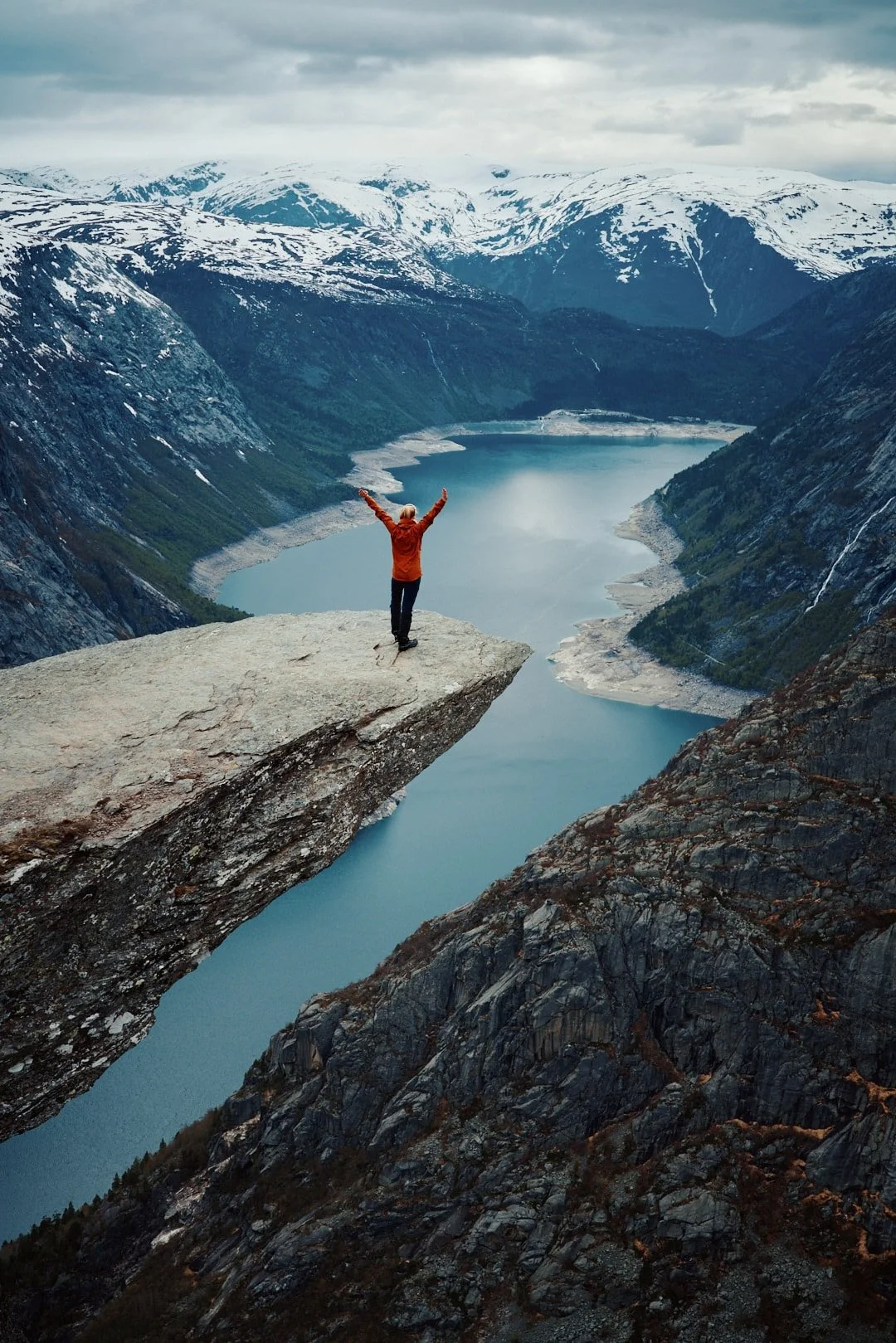
Trolltunga Hike: Essential Tips for Conquering Norway's Icon
Perched dramatically above the stunning Ringedalsvatnet lake, Trolltunga, affectionately known as the "Troll's Tongue," is a geological marvel that has captured the hearts and imaginations of adventurers worldwide. This striking rock formation, jutting out horizontally 700 meters above the water and situated at an elevation of 1,180 meters, truly lives up to its name, resembling a massive stone tongue extended from a sheer cliff face. Located in Norway's breathtaking Vestland county, near the charming towns of Odda and Tyssedal, it offers an unparalleled vantage point over the Hardangerfjord region's majestic fjords, towering mountains, and ancient glacial landscapes.
The allure of Trolltunga isn't just its visual splendor; it's the epic journey required to reach it. What was once a remote secret, attracting fewer than a thousand hikers annually just over a decade ago, has exploded in popularity, drawing approximately 80,000 visitors each year. This surge, largely fueled by social media and the growing global interest in adventure tourism, has cemented Trolltunga's status as a quintessential Norwegian experience. However, this iconic hike is no casual stroll. It demands meticulous preparation, significant physical stamina, and a deep respect for Norway's untamed nature. For a deeper dive into its origins and the captivating lore that inspired its name, explore
Trolltunga Explained: Geology, Folklore & Norway's Dramatic Cliff.
Conquering the Trail: What to Expect from the Trolltunga Hike
Embarking on the Trolltunga hike is an undertaking that tests both body and mind. The standard route begins at the Skjeggedal trailhead and spans a challenging 28-kilometer round trip through rugged, high-mountain terrain. Hikers should budget a substantial 10 to 12 hours to complete the journey, which involves significant elevation gain – often close to 900 meters from the trailhead – across diverse landscapes.
The trail itself is a microcosm of Norwegian wilderness, presenting a varied and demanding path. You'll navigate steep ascents that will have your calves burning, traverse exposed sections where the wind can be a fierce companion, and cross gushing rivers that require careful footing. The terrain ranges from rocky paths and muddy stretches to segments that might still hold patches of snow well into the summer season. While the initial climb from Skjeggedal is particularly steep, leading up to the Mågelitopp plateau (accessible by a shuttle bus for a fee, significantly shortening the initial ascent and reducing total hiking time), the subsequent sections are undulating, with relentless ups and downs before the final approach to the Troll's Tongue.
This is unequivocally a hike suitable only for experienced individuals in good physical condition. It's not just about covering distance; it's about enduring varied conditions, maintaining focus for many hours, and being prepared for rapid weather changes typical of high-mountain environments. The reward, however, is immeasurable: the profound satisfaction of overcoming a formidable challenge, culminating in that breathtaking, panoramic view from Trolltunga itself.
Timing Your Adventure: When to Hike Trolltunga for the Best Experience
Choosing the right time to undertake the Trolltunga hike is crucial for both safety and enjoyment. Norway's weather can be unpredictable, especially in the mountains, making seasonality a primary consideration.
The
main hiking season for unguided trips typically runs from early June to late September. During these months, the trail is generally free of significant snow, and daylight hours are long, offering ample time to complete the extensive route. July and August represent peak season, characterized by the warmest weather and the busiest trails. While the longer days are advantageous, be prepared for more crowds, especially at the Trolltunga formation itself, where queues for a photo opportunity can form.
For those seeking a slightly less crowded experience or a different perspective,
late June and early September can be ideal. The weather is often still pleasant, but the influx of tourists is slightly reduced. However, as you move towards late September, temperatures drop, and the chances of encountering colder, wetter weather or even early snow increase, demanding extra vigilance and preparation.
Beyond the main season,
guided tours extend into October and sometimes even later. While these offer a unique opportunity to see Trolltunga in its autumnal glory or even under early winter conditions, they come with higher risks, including increased chances of sudden weather shifts, ice, and potential avalanche hazards. For this reason,
it is absolutely essential to go with a certified guide during the off-season, from October 1st to May 31st. Several reputable companies offer guided snowshoe or skiing trips, allowing you to experience a snow-clad Trolltunga safely.
Regardless of the season, it is paramount to
start your hike early in the morning, ideally before 8 AM. This ensures you have sufficient daylight hours to complete the round trip before dusk descends, which can happen quickly in the mountains, particularly outside of peak summer. Always check the local weather forecast immediately before your hike and be prepared to turn back if conditions deteriorate.
Practical Preparation: Gear, Guides, and Responsible Hiking
A successful and safe Trolltunga experience hinges on thorough preparation. Underestimating the mountain can have serious consequences, so attention to detail is key.
Essential Gear Checklist:
- Sturdy Hiking Boots: Waterproof, well broken-in boots with excellent ankle support are non-negotiable.
- Layered Clothing: Mountain weather changes rapidly. Pack moisture-wicking base layers, insulating mid-layers (fleece or wool), and a waterproof and windproof outer shell. Avoid cotton.
- Backpack: A comfortable pack to carry all your essentials.
- Food & Water: Carry plenty of high-energy snacks (nuts, dried fruit, energy bars) and at least 2-3 liters of water per person.
- Navigation: A physical map and compass, or a reliable GPS device/app with downloaded offline maps. Do not rely solely on phone battery.
- First-Aid Kit: Basic supplies for blisters, minor cuts, and personal medications.
- Headlamp: Essential for early starts or unexpected delays, even in summer.
- Sun Protection: Sunglasses, sunscreen, and a hat, as UV radiation is stronger at higher altitudes.
- Trekking Poles: Highly recommended for stability, especially on steep descents and river crossings, and to reduce strain on your knees.
- Emergency Whistle/Foil Blanket: For signaling or warmth in an emergency.
Consider a Guided Tour:
While experienced hikers can venture out independently during peak season, opting for a guided tour offers significant advantages, especially for those less familiar with high-mountain environments or hiking in Norway. Guides provide invaluable local knowledge, expertise in navigating challenging terrain, and crucial safety equipment. They can also offer fascinating insights into the geology and folklore of the region. During the off-season, a guided tour is not just recommended, but mandatory.
Embrace Responsible Tourism:
The immense popularity of Trolltunga brings with it a responsibility to protect this natural wonder. Local authorities have implemented various safety measures, including shuttle services to manage traffic, and environmental protections to combat erosion and overcrowding. As a hiker, you play a vital role in sustainable tourism:
- Stick to Marked Trails: Do not venture off the designated path to prevent erosion and protect delicate flora.
- Leave No Trace: Pack out everything you pack in, including all trash and food waste.
- Respect Wildlife: Observe from a distance and do not disturb animals.
- Heed Warnings: Always follow advice from local authorities, guides, and signage regarding weather conditions or trail closures.
- Do Not Overestimate Abilities: Be honest about your fitness level and experience. It's better to turn back than to risk injury or require rescue.
The regional economy in Hardanger has seen a significant boost from Trolltunga's fame, underscoring Norway's commitment to sustainable tourism. Learn more about its journey from a hidden gem to a global icon in
Trolltunga's Transformation: From Remote Gem to Global Hiking Icon. By preparing properly and acting responsibly, you contribute to preserving Trolltunga for future generations.
Conquering the Trolltunga hike is more than just reaching a famous landmark; it's an immersive journey into Norway's raw, untamed beauty. It demands respect, preparation, and resilience, but rewards you with an experience that will etch itself into your memory forever. Stand on the Troll's Tongue, gaze out at the spectacular panorama, and know that you've earned your place among those who have conquered one of Norway's most iconic natural wonders.